RedKalion
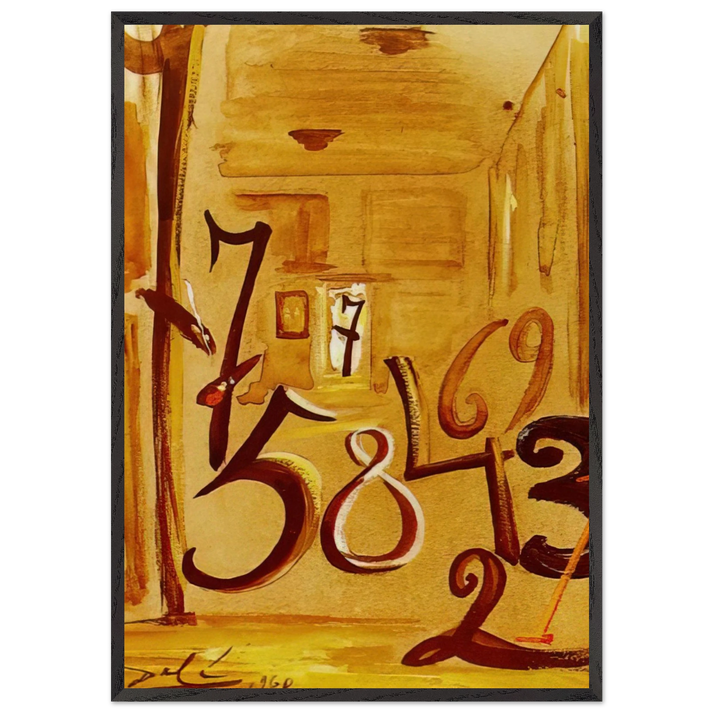
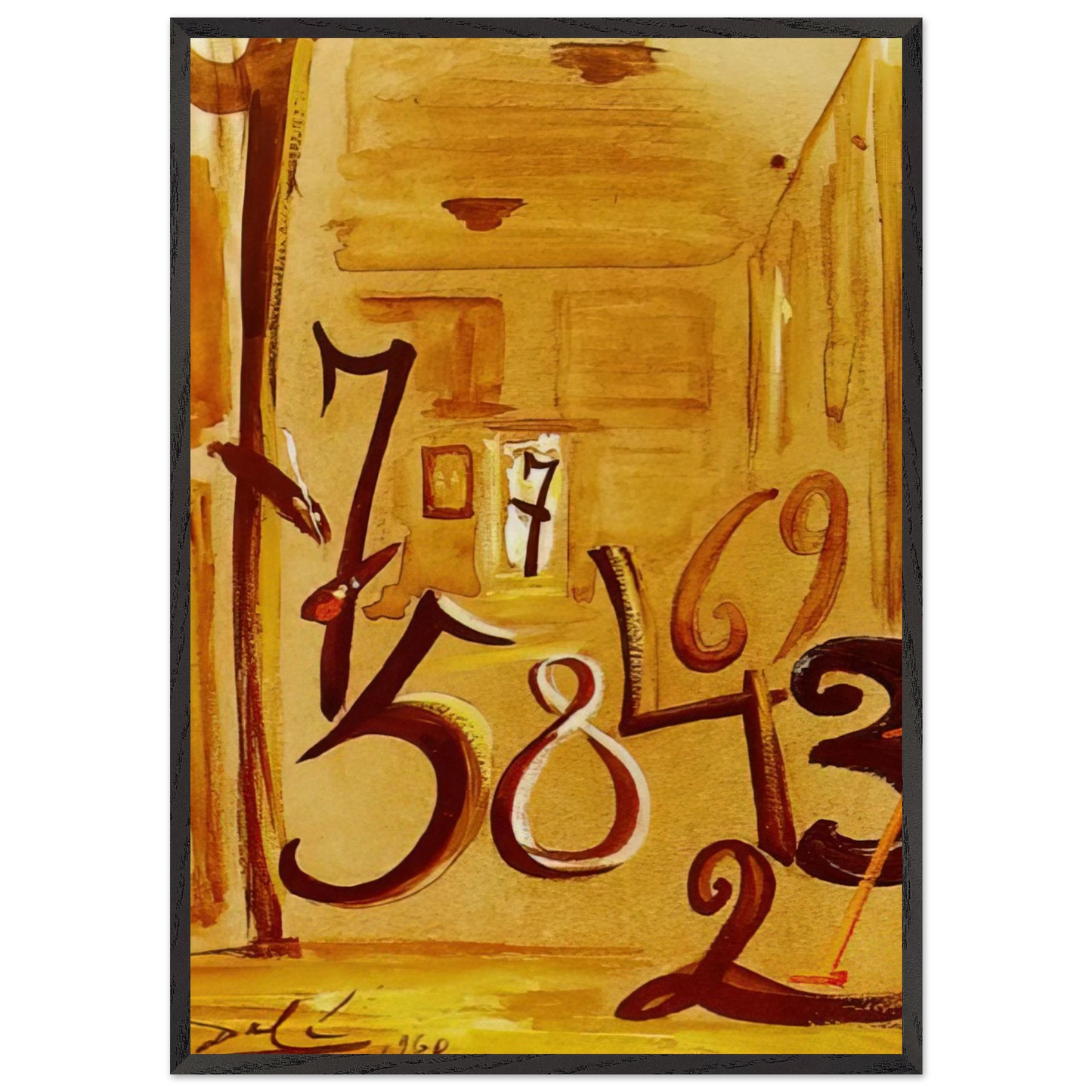
THE MAIDS IN WAITING LAS MENINAS - Salvador Dali 70x100 cm / 28x40 inches Framed Art Print – Black Wooden Frame
THE MAIDS IN WAITING LAS MENINAS - Salvador Dali 70x100 cm / 28x40 inches Framed Art Print – Black Wooden Frame
Couldn't load pickup availability
The Maids in Waiting (Las Meninas) by Salvador Dalí – A Surrealist Masterpiece Reimagined
Elevate your space with this museum-quality framed art print of Salvador Dalí's The Maids in Waiting (Las Meninas), a brilliant 1958 reinterpretation of Diego Velázquez's iconic 17th-century painting. Dalí, the master of Surrealism, transforms the original court scene into a dreamlike tableau, infusing it with his signature melting forms, distorted perspectives, and symbolic motifs that challenge reality and perception. This piece is not merely a reproduction; it is a gateway to the avant-garde, capturing the essence of Dalí's genius in a format designed to endure.
Our premium 70x100 cm / 28x40 inches framed art print is crafted to museum archival standards, ensuring it remains a focal point of sophistication for generations. The artwork is printed on 250 gsm (110 lb) matte, uncoated, natural white paper with a thickness of 0.29 mm (11.4 mils), providing a rich, tactile surface that honors the original's depth. It is protected by shatterproof plexiglass and elegantly framed in a black wooden frame made from responsibly sourced oak and ash wood, with a substantial 20mm (0.79") thickness that adds a bold, contemporary edge. The frame includes a ready-to-hang kit, allowing for immediate display upon arrival.
At RedKalion, we specialize in archival-grade reproductions that blend art historical expertise with sustainable craftsmanship. This print uses FSC-certified materials or equivalent, reflecting our commitment to quality and environmental responsibility. Whether for a home, office, or gallery setting, this piece invites contemplation and conversation, making it an ideal choice for collectors and enthusiasts seeking authentic Surrealist art.
Discover Unlimited Art Possibilities
At RedKalion, you can find virtually any artwork from any artist, available in a wide range of sizes to perfectly match your space.
If you didn’t find what you’re looking for, contact us at support@redkalion.com . We will source any artwork and produce it in any size and format you need, including art prints, posters, canvas, framed pieces, framed canvas, and more.
For dedicated art enthusiasts, we also offer handcrafted replicas of any artwork, carefully painted by highly skilled artists using traditional techniques.
For custom requests, contact us at support@redkalion.com .
What are the dimensions of this framed art print?
This framed art print measures 70x100 cm / 28x40 inches, with a black wooden frame that is 20mm (0.79") thick and wide, providing a bold, contemporary look for your wall.
What type of paper is used for this fine art print?
We use 250 gsm (110 lb) matte, uncoated, natural white archival museum-quality paper with a thickness of 0.29 mm (11.4 mils), ensuring a premium, durable surface for this Salvador Dalí reproduction.
Is the frame included and ready to hang?
Yes, this framed art print includes a responsibly sourced oak and ash wood frame with a ready-to-hang kit, so you can display it directly on your wall upon arrival.
How is the print protected in the frame?
The print is protected by shatterproof plexiglass, which safeguards it from damage while maintaining clarity, making it a safe and long-lasting choice for your home or office.
Is this print made with sustainable materials?
Yes, we use FSC-certified materials or equivalent for the paper, ensuring this museum-quality reproduction aligns with eco-friendly practices and archival standards.
What is the historical significance of Dalí's The Maids in Waiting?
Salvador Dalí created The Maids in Waiting in 1958 as a Surrealist reinterpretation of Velázquez's Las Meninas, blending dreamlike elements with art historical homage to explore themes of perception and reality.
How does Dalí's version differ from the original Las Meninas?
Dalí transforms Velázquez's Baroque court scene with melting forms, distorted figures, and symbolic motifs, infusing it with Surrealist ambiguity and his unique psychological depth.