RedKalion
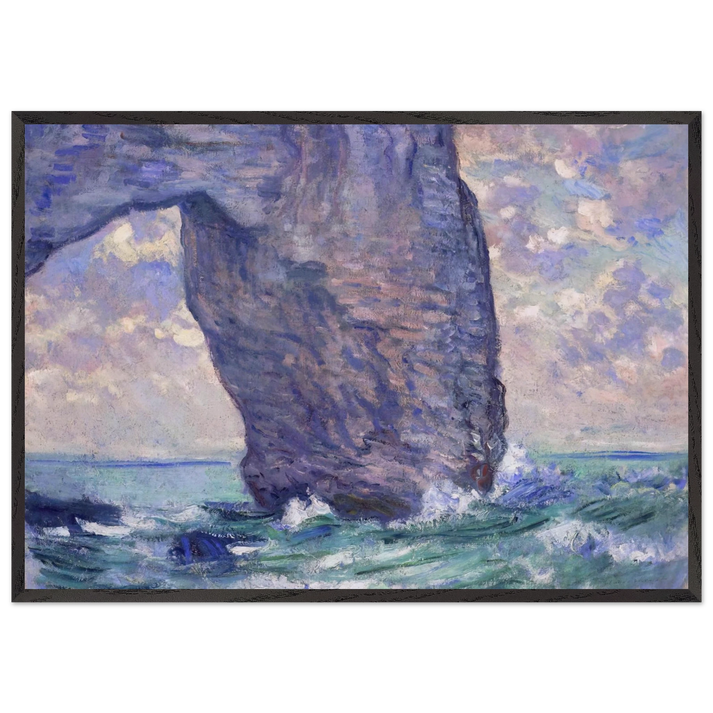
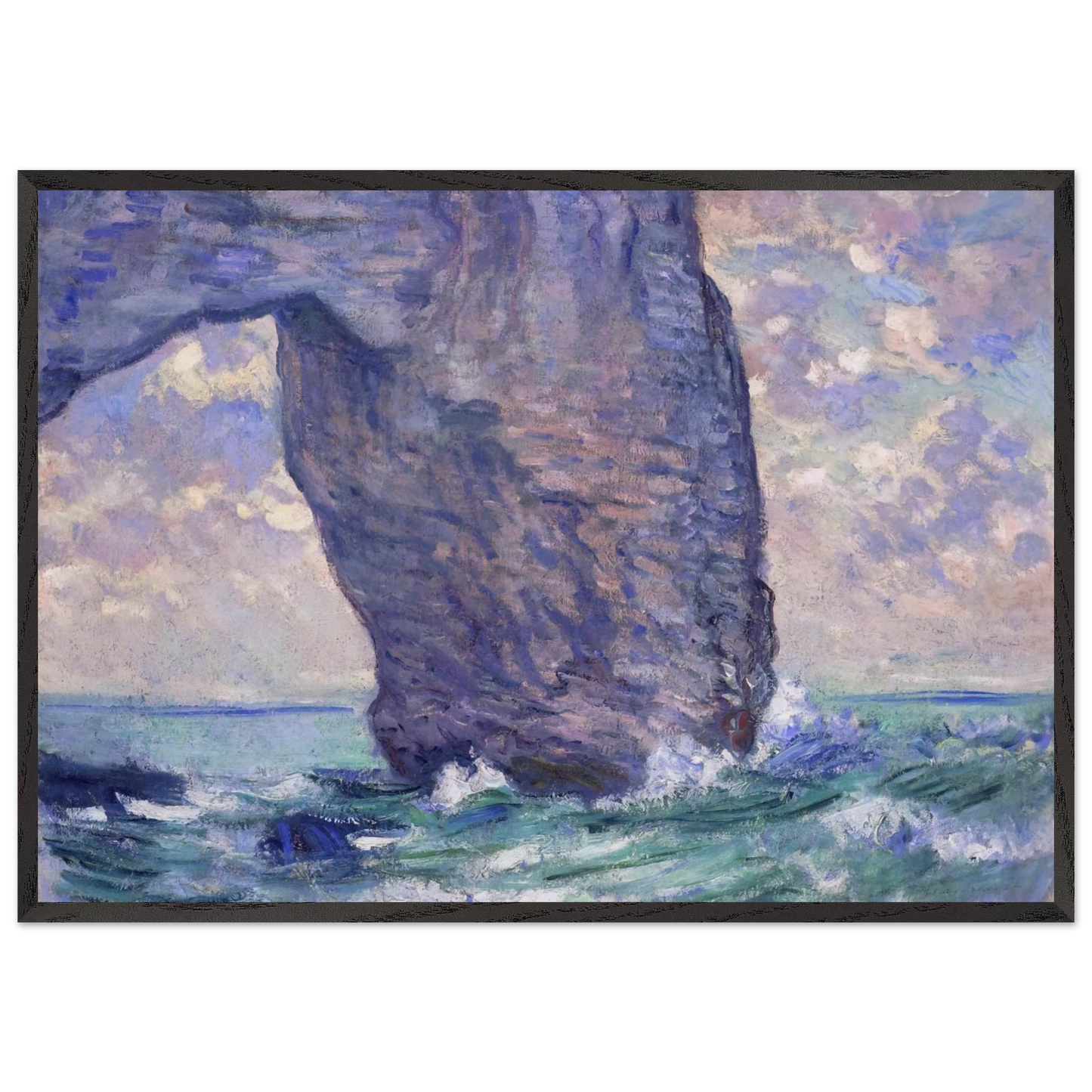
The Manneport Seen from Below - claude monet 70x100 cm / 28x40 inches Framed Art Print – Black Wooden Frame
The Manneport Seen from Below - claude monet 70x100 cm / 28x40 inches Framed Art Print – Black Wooden Frame
Couldn't load pickup availability
The Manneport Seen from Below - Claude Monet
Immerse yourself in the dramatic energy of Claude Monet's "The Manneport Seen from Below", a masterpiece from his iconic Étretat series. This museum-quality reproduction captures the raw power of the Normandy coast, where Monet's revolutionary Impressionist technique transforms crashing waves and towering cliffs into a symphony of light and movement. Painted in 1886, this work exemplifies his pursuit of capturing fleeting atmospheric effects, with bold brushstrokes and a dynamic low-angle perspective that plunges the viewer into the scene's majestic grandeur.
RedKalion presents this archival-grade fine art print as a ready-to-hang framed piece, meticulously crafted to honor Monet's vision. The print is produced on 250 gsm (110 lb) matte, uncoated archival museum-quality paper with natural white finishing, ensuring vibrant color fidelity and longevity. It is protected by shatterproof plexiglass and elegantly framed in a black wooden frame made from responsibly sourced oak and ash wood, with a substantial 20mm (0.79") thickness that enhances its gallery presence. Measuring 70x100 cm / 28x40 inches framed, this piece arrives complete with a hanging kit for immediate display.
Elevate your space with an archival masterpiece that endures, bringing the timeless beauty of Impressionism into your home or office. RedKalion curates only the finest reproductions, blending art historical expertise with premium materials for discerning collectors.
Discover Unlimited Art Possibilities
At RedKalion, you can find virtually any artwork from any artist, available in a wide range of sizes to perfectly match your space.
If you didn’t find what you’re looking for, contact us at support@redkalion.com . We will source any artwork and produce it in any size and format you need, including art prints, posters, canvas, framed pieces, framed canvas, and more.
For dedicated art enthusiasts, we also offer handcrafted replicas of any artwork, carefully painted by highly skilled artists using traditional techniques.
For custom requests, contact us at support@redkalion.com .
What are the dimensions of this Claude Monet framed art print?
The framed print measures 70x100 cm (28x40 inches), including a 20mm (0.79") thick black wooden frame, making it a statement piece for any room.
What type of paper is used for this fine art reproduction?
It uses 250 gsm (110 lb) matte, uncoated archival museum-quality paper with natural white finishing, ensuring vibrant colors and long-term durability for your Monet print.
Is this framed print ready to hang upon delivery?
Yes, it includes a hanging kit and is ready-to-hang directly on your wall, offering convenience and immediate display of your Claude Monet artwork.
How does the frame protect and enhance the print?
The black wooden frame, made from responsibly sourced oak and ash, is 20mm thick and features shatterproof plexiglass to safeguard this museum-quality reproduction.
Is the paper sustainable for this archival art print?
Yes, the paper is FSC-certified or equivalent, supporting eco-friendly practices while delivering premium quality for your Monet fine art print.
What historical significance does "The Manneport Seen from Below" hold?
Painted in 1886, it's part of Monet's Étretat series, showcasing his Impressionist focus on light and atmosphere through a dramatic low-angle view of Normandy's cliffs.
Why did Monet choose the Manneport cliff for this artwork?
Monet was captivated by Étretat's natural arches and changing light, using the Manneport to explore perspective and movement in his seascape masterpieces.