RedKalion
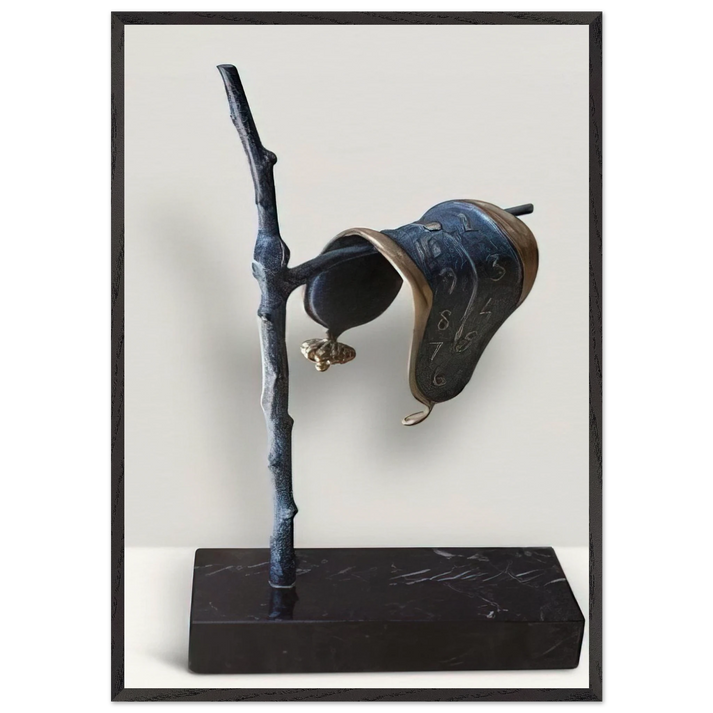
THE PERSISTENCE OF MEMORY 1980 - Salvador Dali 70x100 cm / 28x40 inches Framed Art Print – Black Wooden Frame
THE PERSISTENCE OF MEMORY 1980 - Salvador Dali 70x100 cm / 28x40 inches Framed Art Print – Black Wooden Frame
Couldn't load pickup availability
Salvador Dalí's The Persistence of Memory (1980) – Museum-Quality Framed Art Print
Own a piece of surrealist history with this archival-grade reproduction of Salvador Dalí's iconic 1980 version of The Persistence of Memory. This masterpiece, featuring the legendary melting clocks draped over a barren landscape, captures Dalí's exploration of time, dreams, and the subconscious. As a leading figure in 20th-century art, Dalí's precise, hyper-realistic technique—known as "paranoiac-critical method"—challenges perception and invites deep contemplation. This print is not merely a decoration; it's a conversation starter that evokes mystery, introspection, and intellectual curiosity, perfect for elevating living rooms, studies, or offices.
RedKalion presents this artwork as a premium, ready-to-hang framed print, meticulously crafted to museum standards. The print is produced on 250 gsm (110 lb) matte, uncoated archival paper—a natural white, FSC-certified material that ensures longevity and vibrant color fidelity. It's protected by shatterproof plexiglass and housed in a responsibly sourced black wooden frame made from oak and ash wood, measuring 20mm (0.79") thick and wide for a substantial, gallery-worthy presence. With dimensions of 70x100 cm / 28x40 inches, this piece arrives complete with a hanging kit, allowing you to display it immediately and transform your space with an enduring work of art.
Invest in a fine art print that combines historical significance with uncompromising quality. RedKalion curates only the finest reproductions, ensuring each piece meets archival standards for lasting beauty and impact.

Discover Unlimited Art Possibilities
At RedKalion, you can find virtually any artwork from any artist, available in a wide range of sizes to perfectly match your space.
If you didn’t find what you’re looking for, contact us at support@redkalion.com . We will source any artwork and produce it in any size and format you need, including art prints, posters, canvas, framed pieces, framed canvas, and more.
For dedicated art enthusiasts, we also offer handcrafted replicas of any artwork, carefully painted by highly skilled artists using traditional techniques.
For custom requests, contact us at support@redkalion.com .
What is the significance of Salvador Dalí's The Persistence of Memory (1980)?
This 1980 version revisits Dalí's iconic 1931 surrealist painting, exploring themes of time, dreams, and reality through melting clocks in a barren landscape, showcasing his "paranoiac-critical" technique.
What are the dimensions and framing details of this art print?
The framed print measures 70x100 cm / 28x40 inches, with a 20mm thick black wooden frame made from responsibly sourced oak and ash wood, wider than classic frames for enhanced presence.
What type of paper is used for this museum-quality reproduction?
It uses 250 gsm (110 lb) matte, uncoated archival paper, 0.29 mm thick, made from FSC-certified materials for durability and vibrant color in fine art prints.
Is this framed print ready to hang, and what protection does it include?
Yes, it comes with a hanging kit for immediate display and features shatterproof plexiglass to protect the print from damage while maintaining clarity.
How does RedKalion ensure the archival quality of this art print?
RedKalion uses acid-free, FSC-certified paper and archival inks to prevent fading, ensuring this Salvador Dalí reproduction lasts for generations as a premium artwork.
Why did Dalí choose melting clocks in The Persistence of Memory?
Dalí used melting clocks to symbolize the fluidity and subjectivity of time, inspired by surrealist ideas and his own dreams, challenging conventional perceptions.
How does the 1980 version differ from the original 1931 painting?
The 1980 version retains the core surrealist imagery but may reflect Dalí's later stylistic refinements and renewed interest in his earlier iconic themes.