RedKalion
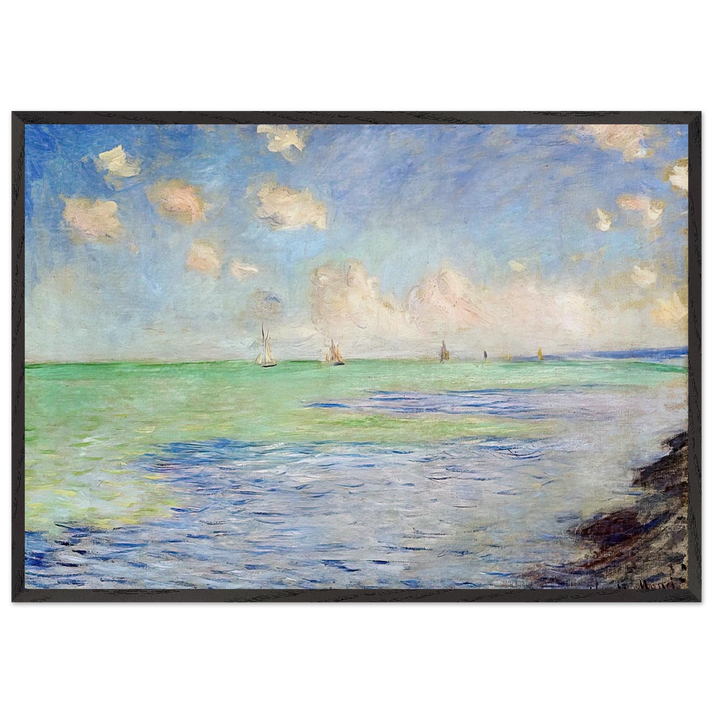
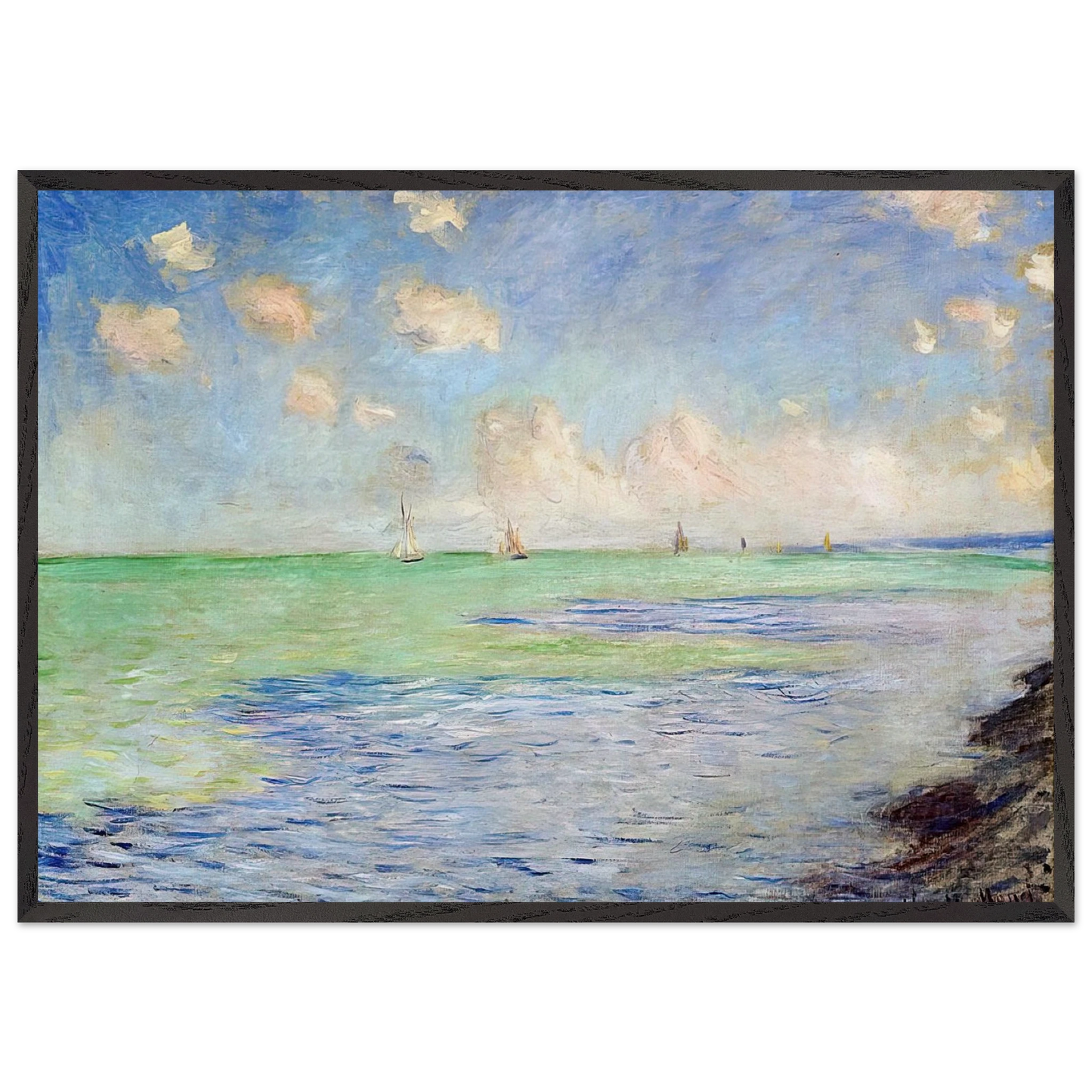
The Sea at Pourville - claude monet 70x100 cm / 28x40 inches Framed Art Print – Black Wooden Frame
The Sea at Pourville - claude monet 70x100 cm / 28x40 inches Framed Art Print – Black Wooden Frame
Couldn't load pickup availability
The Sea at Pourville by Claude Monet: A Framed Masterpiece
Immerse yourself in the luminous beauty of Claude Monet's "The Sea at Pourville," now available as a museum-quality framed art print from RedKalion. This iconic Impressionist work, created in 1882, captures the dynamic interplay of light and water along the Normandy coast, showcasing Monet's revolutionary technique of broken brushstrokes and vibrant color harmonies. Our 70x100 cm / 28x40 inches framed reproduction brings this serene coastal scene to life with archival precision, allowing you to experience the artist's vision in your own space.
This fine art print is meticulously crafted on 250 gsm (110 lb) matte, uncoated, natural white archival museum-quality paper, ensuring rich detail and color fidelity that honors Monet's original. It is elegantly presented in a black wooden frame made from responsibly sourced oak and ash wood, with a substantial 20mm (0.79") thickness for a premium, gallery-worthy display. The frame includes a ready-to-hang kit for effortless installation, and the artwork is protected by shatterproof plexiglass, combining durability with aesthetic appeal. Printed on sustainable FSC-certified materials, this piece reflects RedKalion's commitment to quality and environmental responsibility.
Elevate your home or office with this archival masterpiece that captures the timeless essence of Impressionism. RedKalion curates only the finest reproductions, trusted by art enthusiasts worldwide for their authenticity and enduring beauty.
Discover Unlimited Art Possibilities
At RedKalion, you can find virtually any artwork from any artist, available in a wide range of sizes to perfectly match your space.
If you didn’t find what you’re looking for, contact us at support@redkalion.com . We will source any artwork and produce it in any size and format you need, including art prints, posters, canvas, framed pieces, framed canvas, and more.
For dedicated art enthusiasts, we also offer handcrafted replicas of any artwork, carefully painted by highly skilled artists using traditional techniques.
For custom requests, contact us at support@redkalion.com .
What are the dimensions of this framed Claude Monet print?
This framed art print measures 70x100 cm (28x40 inches), including the black wooden frame, making it a statement piece for any room.
What type of paper is used for this fine art reproduction?
It uses 250 gsm (110 lb) matte, uncoated, natural white archival museum-quality paper, ensuring vibrant colors and long-lasting durability for your Monet print.
Is this framed print ready to hang?
Yes, it includes a ready-to-hang kit, so you can display your Claude Monet artwork directly on the wall without additional setup.
How is the print protected in the frame?
The artwork is safeguarded by shatterproof plexiglass, providing clear protection against damage while maintaining the visual quality of the sea at Pourville print.
What makes this frame premium compared to standard options?
The frame is 20mm (0.79") thick and wide, crafted from responsibly sourced oak and ash wood, offering a sturdier and more elegant display than classic 14mm frames.
What is the historical significance of "The Sea at Pourville" by Claude Monet?
Painted in 1882, this work exemplifies Monet's Impressionist style, focusing on light and atmosphere along the Normandy coast, and marks his exploration of marine subjects during this period.
How does Monet's technique in this artwork reflect the Impressionist movement?
Monet used rapid, broken brushstrokes and a palette of blues and greens to capture the fleeting effects of light on water, a hallmark of Impressionism that emphasizes sensory experience over detail.