RedKalion
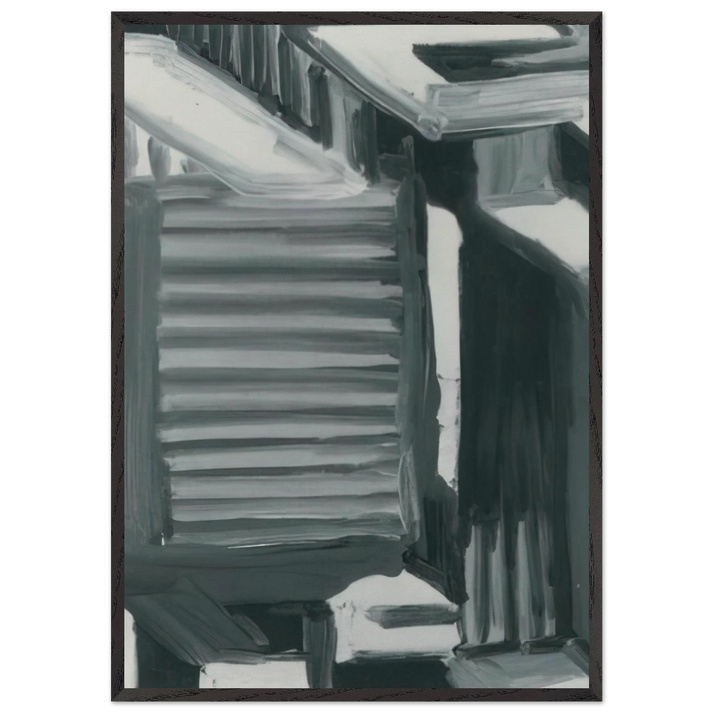
TOWNSCAPE 1968 2 - Gerhard Richter 70x100 cm / 28x40 inches Framed Art Print – Black Wooden Frame
TOWNSCAPE 1968 2 - Gerhard Richter 70x100 cm / 28x40 inches Framed Art Print – Black Wooden Frame
Couldn't load pickup availability
TOWNSCAPE 1968 2 by Gerhard Richter: A Masterpiece of Ambiguity and Precision
Immerse yourself in the enigmatic world of Gerhard Richter with this museum-quality framed art print of TOWNSCAPE 1968 2. Created during Richter's pivotal period of exploring urban landscapes through his signature blurred photorealism, this piece captures a haunting, almost dreamlike vision of a cityscape. The artist's meticulous technique—using a squeegee to smear and layer paint—creates a dynamic tension between abstraction and representation, inviting viewers to ponder memory, perception, and the passage of time. This 1968 work exemplifies Richter's genius in transforming ordinary scenes into profound artistic statements, making it a coveted addition for collectors of modern and contemporary art.
Premium Framed Art Print: Archival Quality and Elegant Design
RedKalion presents this Gerhard Richter fine art print in a ready-to-hang format that combines historical reverence with modern craftsmanship. The print measures 70x100 cm / 28x40 inches, perfectly scaled to command attention in any interior space. It is framed in a sophisticated black wooden frame, crafted from responsibly sourced oak and ash wood, with dimensions of 20mm (0.79") thick and wide—offering a substantial, gallery-worthy presence that surpasses standard 14mm frames.
- Archival Paper: Printed on 250 gsm (110 lb) matte, uncoated, natural white paper with a thickness of 0.29 mm (11.4 mils), ensuring vibrant color fidelity and longevity for generations.
- Protective Glazing: Features shatterproof plexiglass that safeguards the print from dust, UV rays, and damage while maintaining crystal-clear visibility.
- Sustainable Materials: Utilizes FSC-certified or equivalent sustainable paper, reflecting RedKalion's commitment to environmental stewardship.
- Ready-to-Hang: Includes a complete hanging kit for effortless installation, allowing you to elevate your home or office with this archival masterpiece immediately.
Elevate your space with a museum-quality reproduction that bridges Richter's artistic legacy with RedKalion's expertise in premium art prints. Each detail, from the frame's elegant black finish to the archival paper's tactile feel, is designed to deliver an authentic, enduring art experience.

Discover Unlimited Art Possibilities
At RedKalion, you can find virtually any artwork from any artist, available in a wide range of sizes to perfectly match your space.
If you didn’t find what you’re looking for, contact us at support@redkalion.com . We will source any artwork and produce it in any size and format you need, including art prints, posters, canvas, framed pieces, framed canvas, and more.
For dedicated art enthusiasts, we also offer handcrafted replicas of any artwork, carefully painted by highly skilled artists using traditional techniques.
For custom requests, contact us at support@redkalion.com .
What are the dimensions of this Gerhard Richter framed art print?
The print measures 70x100 cm (28x40 inches), framed in a black wooden frame that is 20mm (0.79") thick and wide, offering a substantial, gallery-ready presence for your fine art display.
What type of paper is used for this museum-quality reproduction?
We use 250 gsm (110 lb) matte, uncoated, natural white archival paper with a thickness of 0.29 mm (11.4 mils), ideal for fine art prints to ensure vibrant colors and long-lasting durability.
Is this framed print ready to hang on the wall?
Yes, it includes a hanging kit and is ready-to-hang directly on the wall, making installation simple and immediate for your Gerhard Richter art piece.
How does the frame protect and enhance the print?
The frame is made from responsibly sourced oak and ash wood with shatterproof plexiglass, providing protection against damage and UV rays while adding an elegant black finish to your art print.
Is the paper sustainable and archival for long-term display?
Yes, the paper is FSC-certified or equivalent, ensuring sustainability, and it's archival museum-quality to resist fading and deterioration over time.
What artistic technique did Gerhard Richter use in TOWNSCAPE 1968 2?
Richter employed a squeegee technique to blur and layer paint, creating a photorealistic yet abstract effect that explores themes of memory and urban landscapes in his 1968 work.
Why is TOWNSCAPE 1968 2 significant in Richter's career?
This piece is part of Richter's pivotal 1960s series where he merged photography and painting, challenging perceptions of reality and establishing his reputation in contemporary art.