
RedKalion
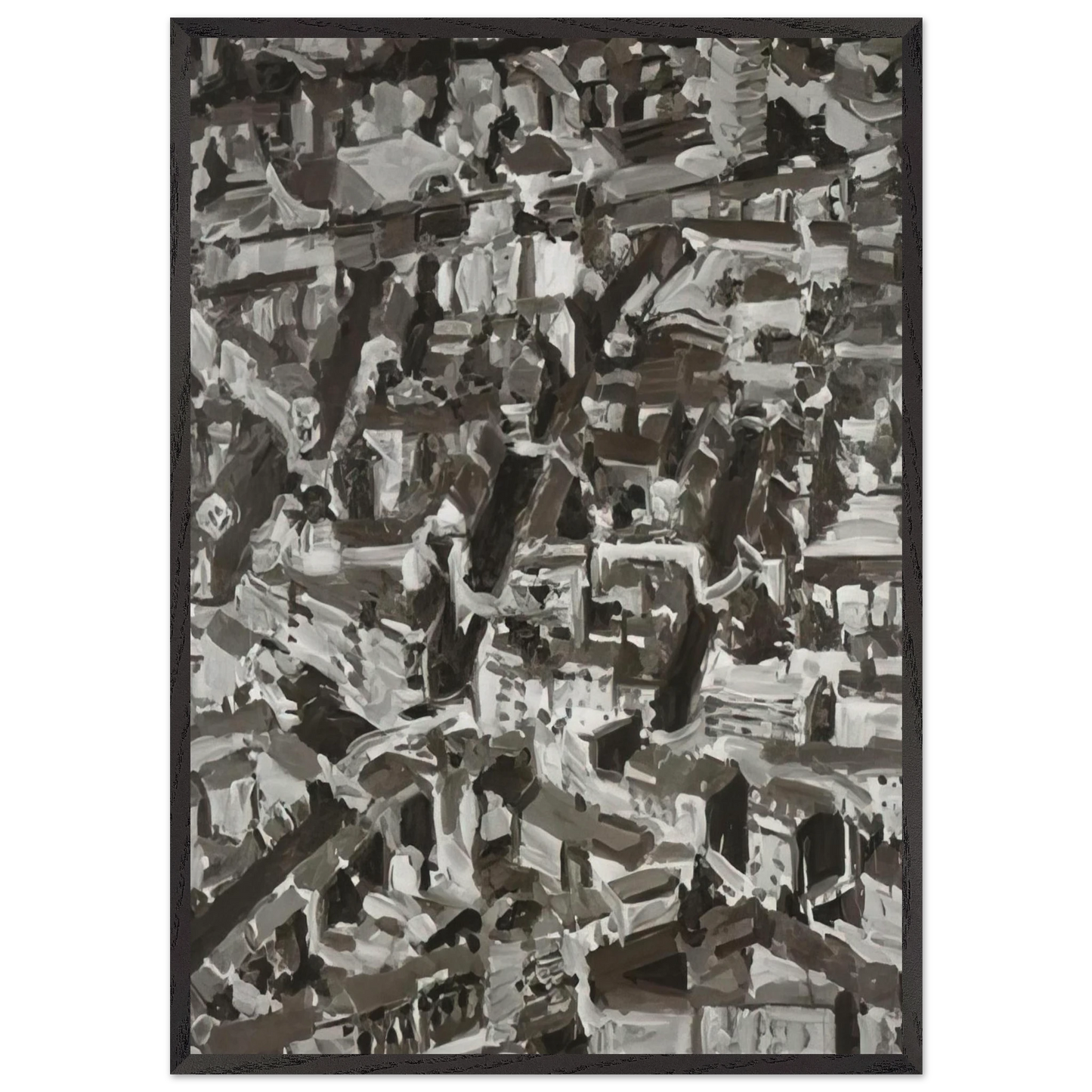
TOWNSCAPE D 1968 - Gerhard Richter 70x100 cm / 28x40 inches Framed Art Print – Black Wooden Frame
TOWNSCAPE D 1968 - Gerhard Richter 70x100 cm / 28x40 inches Framed Art Print – Black Wooden Frame
Couldn't load pickup availability
TOWNSCAPE D 1968 by Gerhard Richter: A Museum-Quality Framed Art Print
Immerse yourself in the enigmatic allure of Gerhard Richter's "TOWNSCAPE D 1968", now available as a premium framed art print from RedKalion. This iconic work from Richter's early career captures a blurred, dreamlike urban scene, reflecting his masterful exploration of photorealism and abstraction. Created during a pivotal period in 20th-century art, this piece evokes a mood of nostalgic ambiguity, inviting viewers to ponder the interplay between memory and modernity. As your trusted curator of archival-grade reproductions, RedKalion presents this masterpiece in a format that honors its historical significance while elevating any contemporary space.
Artistic Insight & Historical Context
Gerhard Richter, a towering figure in contemporary art, developed "TOWNSCAPE D" as part of his groundbreaking Townscape series in the late 1960s. Using a unique technique of blurring photographic sources with brushstrokes, Richter challenges perceptions of reality and representation. This 70x100 cm (28x40 inches) print reproduces the original's haunting texture and tonal depth, offering a glimpse into his innovative approach that bridges painting and photography. Our expertise ensures every detail—from the subtle grays to the atmospheric haze—is faithfully rendered for an authentic viewing experience.
Premium Framed Print Specifications
This framed art print combines archival integrity with elegant craftsmanship. Encased in a black wooden frame made from responsibly sourced oak and ash wood, the piece features a sturdy 20mm (0.79") thickness for a bold, contemporary profile. The print is safeguarded by shatterproof plexiglass, ensuring durability without compromising clarity. Inside, the artwork is printed on 250 gsm (110 lb) matte, uncoated paper with a natural white finish and 0.29 mm (11.4 mils) thickness, using FSC-certified sustainable materials for an eco-conscious choice. Ready-to-hang with an included kit, it arrives as a complete, museum-quality display.
Elevate your home or office with this archival masterpiece from RedKalion, where art history meets enduring quality. Each element—from the frame to the fine art paper—is curated to deliver a piece that not only decorates but inspires, backed by our commitment to excellence and trust in every reproduction.
Discover Unlimited Art Possibilities
At RedKalion, you can find virtually any artwork from any artist, available in a wide range of sizes to perfectly match your space.
If you didn’t find what you’re looking for, contact us at support@redkalion.com . We will source any artwork and produce it in any size and format you need, including art prints, posters, canvas, framed pieces, framed canvas, and more.
For dedicated art enthusiasts, we also offer handcrafted replicas of any artwork, carefully painted by highly skilled artists using traditional techniques.
For custom requests, contact us at support@redkalion.com .
What are the dimensions of the Gerhard Richter TOWNSCAPE D 1968 framed print?
The framed art print measures 70x100 cm (28x40 inches), with a black wooden frame that is 20mm (0.79") thick and wide, offering a bold, contemporary look for your wall.
What type of paper is used for this museum-quality reproduction?
It uses 250 gsm (110 lb) matte, uncoated archival museum-quality paper with a natural white finish and 0.29 mm (11.4 mils) thickness, made from FSC-certified sustainable materials for long-lasting fine art prints.
Is this framed print ready to hang upon delivery?
Yes, this ready-to-hang framed art print includes a hanging kit, so you can display it directly on your wall without any additional setup.
How does the frame protect the Gerhard Richter artwork?
The black wooden frame, made from responsibly sourced oak and ash, features shatterproof plexiglass that shields the print from damage while maintaining clear visibility for your premium art reproduction.
What is the archival longevity of this fine art print?
With archival museum-quality paper and sustainable materials, this print is designed to resist fading and deterioration, ensuring your Gerhard Richter reproduction endures for generations.
What artistic technique did Gerhard Richter use in TOWNSCAPE D 1968?
Richter employed a blurred photorealism technique, blending painting and photography to create a dreamlike urban scene that challenges perceptions of reality in this iconic 1960s artwork.
Why is TOWNSCAPE D significant in Gerhard Richter's career?
As part of his Townscape series, it marks a pivotal exploration of abstraction and memory in the late 1960s, showcasing Richter's innovative approach to contemporary art and his influence on modern visual culture.