
RedKalion
Ulna Labeled Art Print | Anatomical Illustration | RedKalion
Ulna Labeled Art Print | Anatomical Illustration | RedKalion
Couldn't load pickup availability
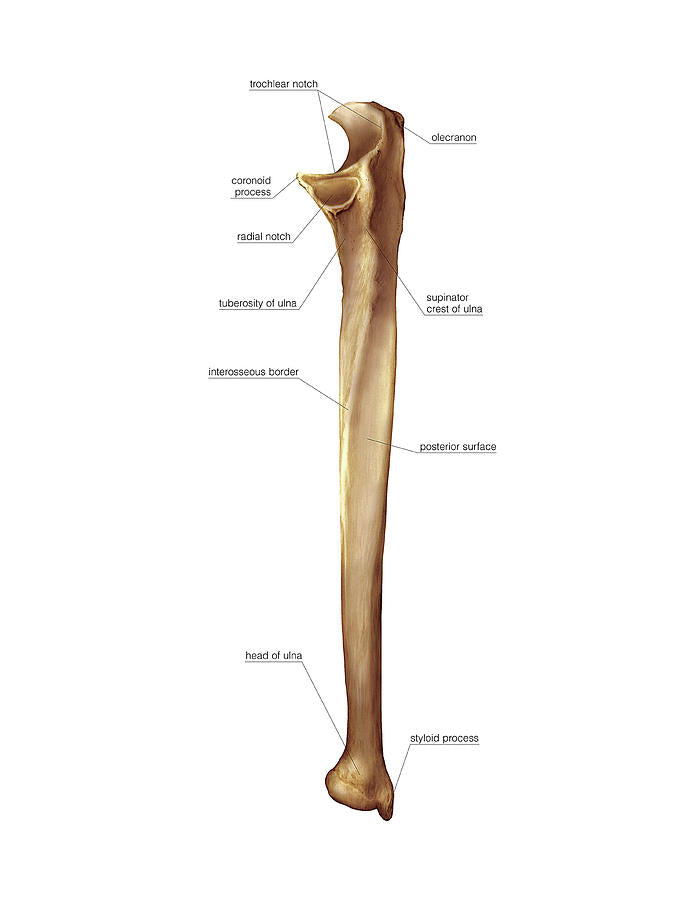
The ulna, one of the two long bones in the forearm, is a cornerstone of human anatomy, essential for wrist and elbow articulation. This labeled anatomical print offers a precise, educational depiction, ideal for medical professionals, students, and art enthusiasts seeking a blend of scientific accuracy and aesthetic appeal. RedKalion presents this premium art print, crafted from high-resolution scans of historical anatomical illustrations, ensuring every detail—from the olecranon process to the styloid process—is rendered with clarity and depth.
Anatomical Details of the Ulna Labeled Print
This print meticulously labels key anatomical features, including the trochlear notch, radial notch, and coronoid process, based on classical anatomical studies from the Renaissance or Enlightenment periods. The style echoes the work of pioneers like Andreas Vesalius, combining technical precision with artistic elegance through fine line work and subtle shading. It serves as both a functional reference and a decorative piece, highlighting the ulna's role in forearm mechanics and its symmetrical relationship with the radius.
Historical Context and Stylistic Analysis
Anatomical illustration flourished during the 16th to 19th centuries, driven by advances in medicine and printing technology. This ulna labeled print draws from that tradition, utilizing a clean, didactic approach that prioritizes educational value. The composition avoids clutter, focusing on the bone's structure with labels positioned for optimal readability. Expert insights note how such prints were used in medical atlases to standardize anatomical knowledge, making this piece a tribute to scientific heritage.
Print Specifications & Materials
- Available Sizes: 75×100 cm / 30×40″, 40×50 cm / 16×20″, 21×29.7 cm / 8×12″
- Paper Finishing: Matte, uncoated, natural white (off-white)
- Acid-Free: pH above 7 to prevent yellowing over time
- Paper Weight: 250 gsm (110 lb) | Thickness: 0.29 mm (11.4 mils)
- Sustainable Paper: FSC-certified
RedKalion's ulna labeled art print combines historical artistry with modern archival standards, offering a durable, museum-quality piece for educational or decorative use. Trust our expertise in premium reproductions to bring this anatomical illustration into your space.


Discover Unlimited Art Possibilities
At RedKalion, you can find virtually any artwork from any artist, available in a wide range of sizes to perfectly match your space.
If you didn’t find what you’re looking for, contact us at support@redkalion.com . We will source any artwork and produce it in any size and format you need, including art prints, posters, canvas, framed pieces, framed canvas, and more.
For dedicated art enthusiasts, we also offer handcrafted replicas of any artwork, carefully painted by highly skilled artists using traditional techniques.
For custom requests, contact us at support@redkalion.com .
What anatomical features are labeled in this ulna print?
This print labels key parts like the olecranon, trochlear notch, radial notch, coronoid process, and styloid process, based on classical anatomical studies for educational accuracy.
What paper is used for RedKalion's fine art prints?
We use FSC-certified, acid-free paper with a matte finish, 250 gsm weight, and natural white color to ensure longevity and prevent yellowing over decades.
How is this ulna labeled print shipped and packaged?
Prints are shipped flat in sturdy, protective packaging to prevent damage during transit, with tracking provided for secure delivery to your location.
How long will this anatomical art print last without fading?
With acid-free, archival-quality materials, this print resists fading and yellowing for over 100 years under normal indoor lighting conditions.
What historical period does this ulna illustration reference?
It references anatomical atlases from the Renaissance to 19th century, echoing styles of Vesalius or Gray's Anatomy for scientific and artistic value.
Why is the ulna important in human anatomy?
The ulna is crucial for forearm stability, enabling wrist and elbow movement, and works with the radius to facilitate rotation and flexibility.