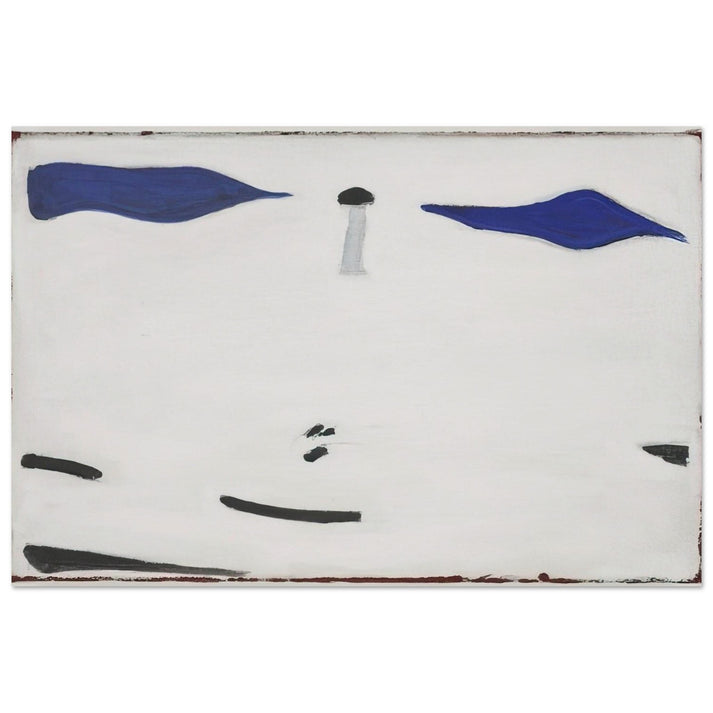


Fresh - 2007 - Ralston Crawford Art Prints - 100x150 cm / 40x60″ inches | Ralston Crawford Poster | Ralston Crawford Prints
Fresh - 2007 - Ralston Crawford Art Prints - 100x150 cm / 40x60″ inches | Ralston Crawford Poster | Ralston Crawford Prints
No se pudo cargar la disponibilidad de retiro
Ralston Crawford's Fresh (2007): A Precisionist Masterpiece Reborn on Archival Paper
Own a museum-quality reproduction of Ralston Crawford’s Fresh (2007), a striking exemplar of American Precisionism. This Ralston Crawford fine art print captures the artist’s signature interplay of geometric rigor and industrial poetry, rendered in crisp, high-contrast forms that evoke the dynamism of modern machinery and urban landscapes. Now available as a 100x150 cm (40x60″) archival print, this piece brings Crawford’s visionary aesthetic into your space with unparalleled fidelity.
Crawford, a pivotal figure in the Precisionist movement, distilled the essence of 20th-century industry into compositions of razor-sharp clarity. Fresh exemplifies his ability to transform mundane subjects—such as factories, bridges, or, in this case, abstracted forms—into compositions of almost musical harmony. His work bridges the gap between Cubism and American modernism, offering a visual language that is both intellectually engaging and aesthetically arresting.
This Ralston Crawford poster is printed on RedKalion’s Master’s Edition archival paper, a 250 gsm (110 lb) uncoated, acid-free surface that ensures longevity and a tactile, gallery-worthy finish. The off-white, matte paper enhances the print’s depth, allowing Crawford’s bold lines and subtle tonal variations to shine without glare. With a thickness of 0.29 mm (11.4 mils), this paper is robust yet elegant, designed to resist warping and yellowing over time. Sustainably sourced from FSC-certified forests, it reflects RedKalion’s commitment to both artistic excellence and environmental responsibility.
Whether you’re a collector of American modernism or seeking a statement piece for your home or office, this Ralston Crawford print delivers timeless sophistication. Elevate your space with a work that transcends mere decoration—it’s a conversation starter, a study in composition, and a testament to the enduring power of Precisionist art.
- Artist: Ralston Crawford (1906–1978), American Precisionist painter and photographer
- Artwork: Fresh (2007, posthumous edition)
- Print Size: 100x150 cm (40x60″ inches)
- Paper: Master’s Edition archival paper, 250 gsm, uncoated, acid-free, FSC-certified
- Finish: Matte, off-white, natural texture for a gallery-quality presentation
RedKalion’s reproductions are crafted to meet the exacting standards of museums and collectors. Each Ralston Crawford art print is produced with archival inks and meticulous attention to detail, ensuring that the spirit of the original artwork is preserved for generations to come.


Discover Unlimited Art Possibilities
At RedKalion, you can find virtually any artwork from any artist, available in a wide range of sizes to perfectly match your space.
If you didn’t find what you’re looking for, contact us at support@redkalion.com . We will source any artwork and produce it in any size and format you need, including art prints, posters, canvas, framed pieces, framed canvas, and more.
For dedicated art enthusiasts, we also offer handcrafted replicas of any artwork, carefully painted by highly skilled artists using traditional techniques.
For custom requests, contact us at support@redkalion.com .
What is the size of this Ralston Crawford Fresh print?
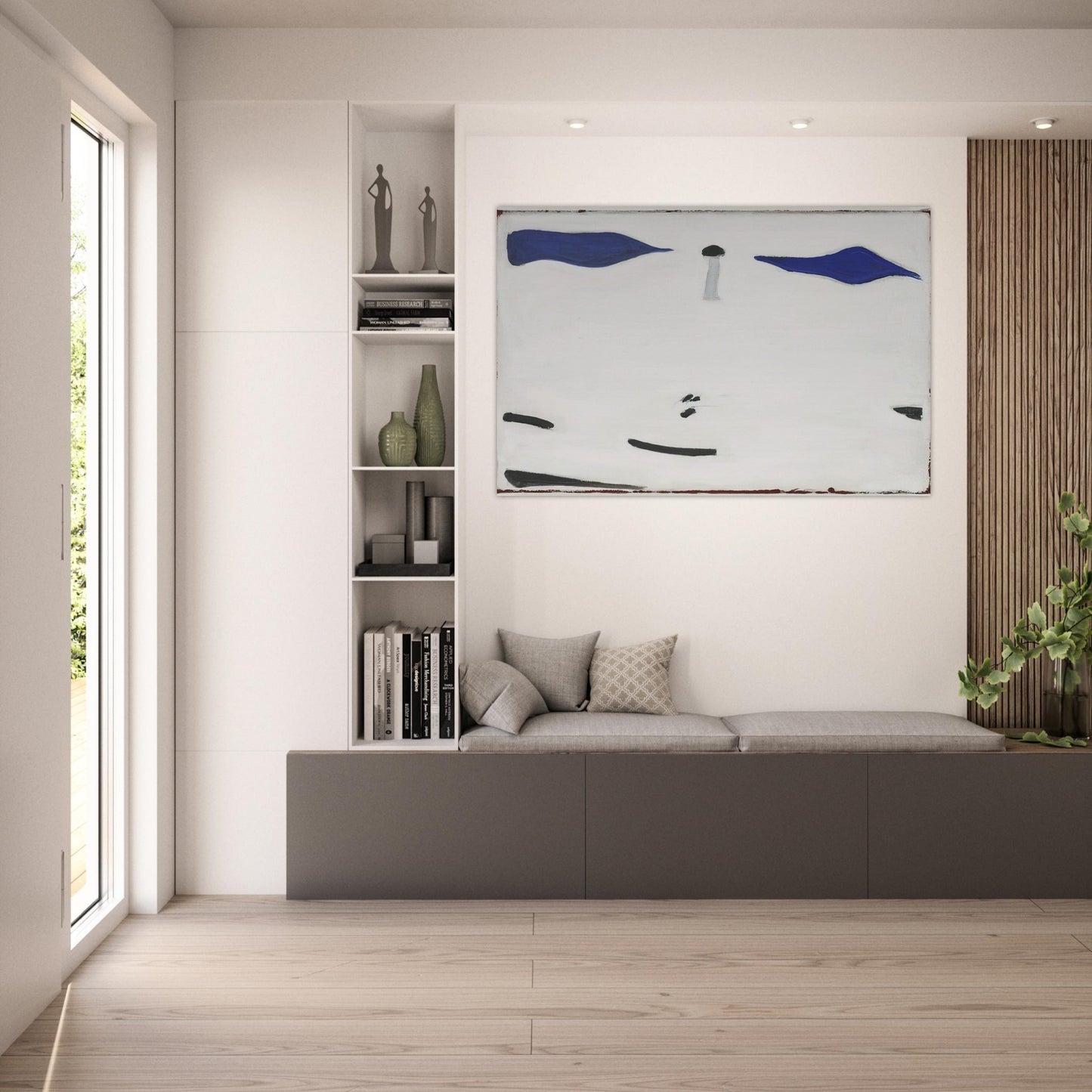
This Ralston Crawford print measures 100x150 cm (40x60″ inches), offering a bold, immersive presence ideal for large walls or gallery-style displays.
What type of paper is used for this Ralston Crawford poster?
We use Master’s Edition archival paper, a 250 gsm (110 lb) uncoated, acid-free, FSC-certified paper with a natural off-white finish for a museum-quality look and feel.
Is this Ralston Crawford fine art print acid-free and archival?
Yes, our Ralston Crawford art prints are printed on acid-free paper with a pH above 7, ensuring they resist yellowing and deterioration for decades.
How is this print shipped, and what are the delivery times?
Your Ralston Crawford poster is carefully rolled in a protective tube and shipped worldwide. Delivery times vary by location but typically range from 3–10 business days.
Can I frame this Ralston Crawford print myself?
Absolutely. The 100x150 cm (40x60″) print is uncoated and matte, making it easy to frame with your preferred matting and glazing for a custom look.
What is the significance of Ralston Crawford’s Fresh (2007)?
Fresh reflects Crawford’s Precisionist style, blending geometric abstraction with industrial themes. Though posthumously released, it embodies his lifelong exploration of form and light.
How does Ralston Crawford’s work fit into the Precisionist movement?
Crawford was a key figure in Precisionism, a 1920s–1930s American movement that emphasized clean lines, geometric shapes, and industrial subjects, bridging Cubism and modernism.