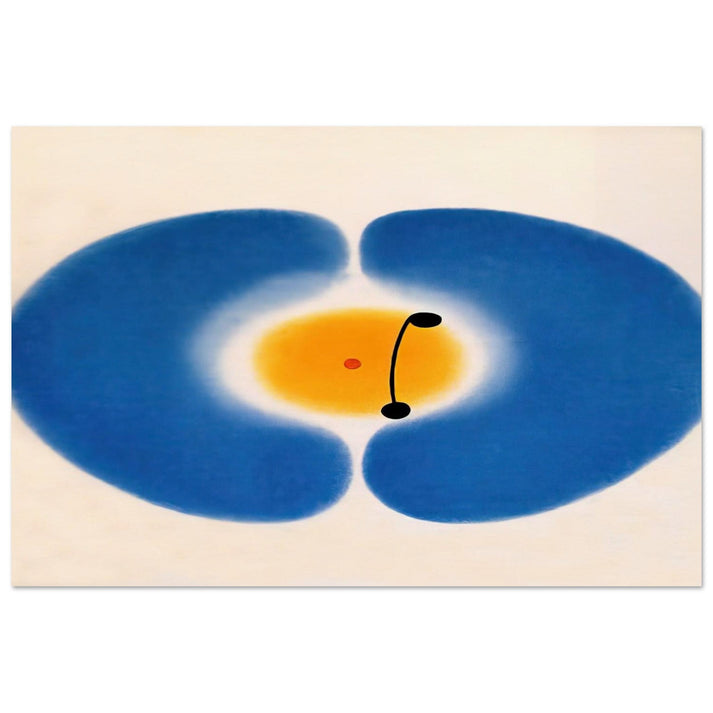


Blue Mandala - 1978 - Victor Pasmore Art Prints - 100x150 cm / 40x60″ inches | Victor Pasmore Poster | Victor Pasmore Prints
Blue Mandala - 1978 - Victor Pasmore Art Prints - 100x150 cm / 40x60″ inches | Victor Pasmore Poster | Victor Pasmore Prints
Verfügbarkeit für Abholungen konnte nicht geladen werden
Victor Pasmore's Blue Mandala (1978): A Masterpiece of Abstract Elegance
Elevate your space with this exquisite museum-quality reproduction of Blue Mandala (1978) by Victor Pasmore, a pioneer of British abstract art. This archival fine art print captures the serene harmony and geometric precision that defined Pasmore's later works, offering a timeless addition to any modern interior.
Pasmore's Blue Mandala is a testament to his evolution from figurative painting to pure abstraction. Created in 1978, this piece reflects his fascination with spatial dynamics and the interplay of form and color. The mandala-like composition, with its concentric circles and subtle tonal variations, invites contemplation and evokes a sense of calm. Pasmore's mastery of minimalism shines through in this work, where every brushstroke and hue is deliberate, creating a meditative focal point for your home or office.
This Victor Pasmore print is meticulously reproduced on RedKalion's Master's Edition archival paper, ensuring a luxurious and enduring presentation. Our 250 gsm (110 lb), acid-free, FSC-certified paper features a natural off-white tone and an uncoated matte finish, faithfully replicating the texture and depth of the original artwork. With a thickness of 0.29 mm (11.4 mils), this paper not only enhances the visual impact of the print but also guarantees its longevity, resisting yellowing and deterioration over time.
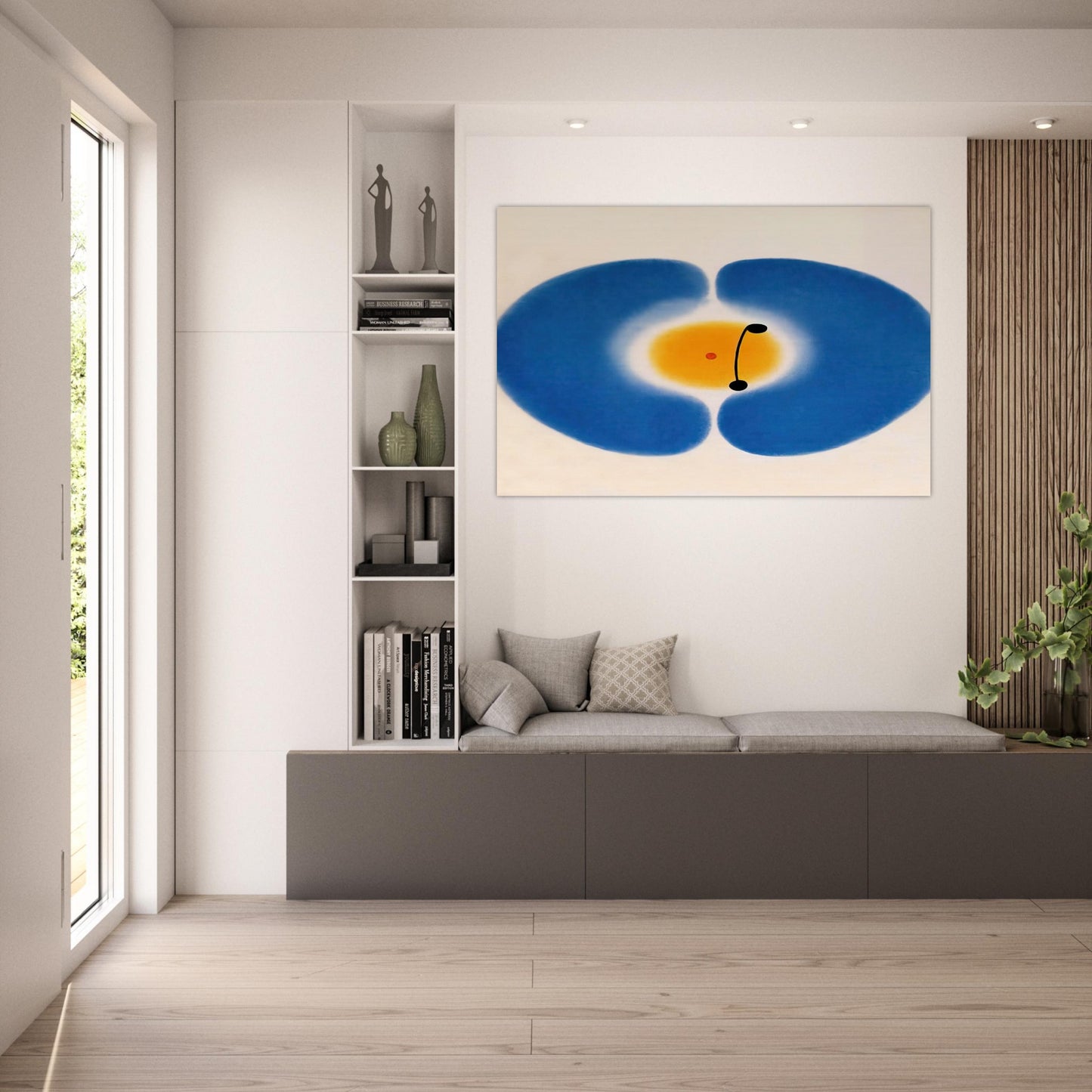
Available in a generous 100x150 cm (40x60″ inches) size, this fine art print makes a bold statement, transforming any room into a gallery-worthy space. Whether you're a seasoned collector or a discerning art lover, this museum-quality reproduction of Blue Mandala is a sophisticated choice that bridges the gap between contemporary design and artistic heritage.
At RedKalion, we are committed to delivering archival-grade reproductions that honor the legacy of masters like Victor Pasmore. Each print is produced with the utmost care, ensuring that you receive a piece that is as enduring as it is beautiful. Experience the tranquility and elegance of Pasmore's vision with this exceptional Victor Pasmore poster, and let it inspire your space for generations to come.


Discover Unlimited Art Possibilities
At RedKalion, you can find virtually any artwork from any artist, available in a wide range of sizes to perfectly match your space.
If you didn’t find what you’re looking for, contact us at support@redkalion.com . We will source any artwork and produce it in any size and format you need, including art prints, posters, canvas, framed pieces, framed canvas, and more.
For dedicated art enthusiasts, we also offer handcrafted replicas of any artwork, carefully painted by highly skilled artists using traditional techniques.
For custom requests, contact us at support@redkalion.com .
What is the size of this Victor Pasmore Blue Mandala print?
This Victor Pasmore print is available in a large 100x150 cm (40x60″ inches) size, perfect for making a bold statement in any room.
What type of paper is used for this fine art print?
We use Master's Edition archival paper, a 250 gsm (110 lb), acid-free, FSC-certified paper with a natural off-white tone and uncoated matte finish for a museum-quality look.
Is this Blue Mandala print acid-free and archival?
Yes, our Victor Pasmore prints are printed on acid-free paper with a pH above 7, ensuring it resists yellowing and lasts for generations.
How thick is the paper used for this print?
The paper is 0.29 mm (11.4 mils) thick, providing a substantial and luxurious feel while maintaining flexibility for framing.
What is the significance of Blue Mandala in Victor Pasmore's career?
Blue Mandala (1978) marks Pasmore's shift toward pure abstraction, showcasing his mastery of geometric forms and spatial harmony, a defining feature of his later works.
Does this print come with a certificate of authenticity?
While this museum-quality reproduction does not include a certificate, it is produced to the highest standards, ensuring an authentic and enduring representation of Pasmore's work.
How should I care for my Blue Mandala fine art print?
To preserve your print, avoid direct sunlight and humidity. Handle it by the edges to prevent oils from your skin affecting the paper, and consider framing it with archival materials.