
Zen Rocks Fine Art Print | Museumqualitäts-Reproduktion | RedKalion
Zen Rocks Fine Art Print | Museumqualitäts-Reproduktion | RedKalion
Verfügbarkeit für Abholungen konnte nicht geladen werden
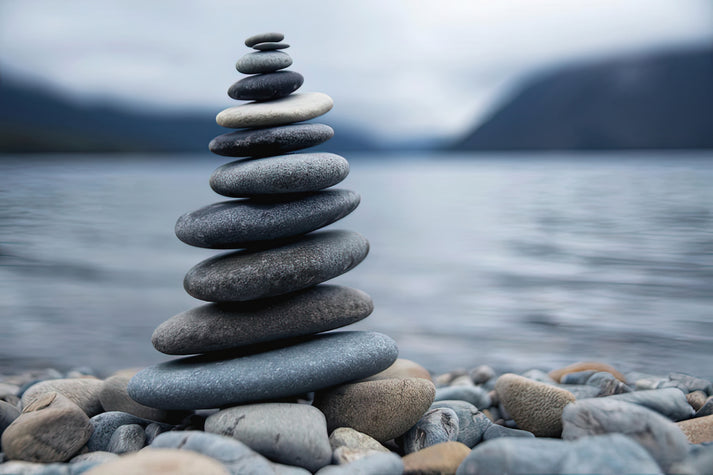
Dieser feine Kunstdruck Zen Rocks fängt das ruhige Wesen der ostasiatischen Tuschmalerei ein, bei der natürliche Formen zu meditativen Symbolen werden. Erstellt von einem anonymen Meister der Muromachi-Periode (1336–1573) verkörpert das Kunstwerk die Techniken des suibokuga (Tuschmalerei), indem es mit minimalistischen Pinselstrichen die zeitlose Balance von Stein und Leere evoziert. Die Komposition, wahrscheinlich beeinflusst von den Zen-buddhistischen Prinzipien des wabi-sabi (unvollkommene Schönheit), lädt durch ihre zurückhaltende Farbpalette und asymmetrische Harmonie zur Kontemplation ein.
Künstlerische Analyse von Zen Rocks
Stilistisch zeigt der Druck Zen Rocks die haboku-Methode (gebrochene Tinte), bei der nasse und trockene Pinselarbeit texturierte, organische Oberflächen schafft. Die Felsen, mit variierenden Tuschdichten dargestellt, wirken sowohl schwer als auch ätherisch – eine Dualität, die zentral für die Zen-Philosophie ist. Diese Reproduktion bewahrt die subtilen Abstufungen des Originals, von tiefem Sumi-e-Schwarz bis zu zarten Grautönen, sodass jedes Detail – wie die moosartigen Akzente – seine künstlerische Integrität behält.
Historischer Kontext von Zen-Felsdarstellungen
In der japanischen Kunst dienten Felsgärten und gemalte Steine als kanso-Motive (Einfachheit), oft in Tempeln zu finden. Dieses Kunstwerk Zen Rocks entspricht der karesansui-Tradition (trockene Landschaft), bei der arrangierte Steine Berge oder Inseln in einem Meer aus Kies symbolisieren. Bis zum 15. Jahrhundert waren solche Darstellungen unter Zen-Mönchen und Literaten beliebt und spiegelten den Wandel von prunkvoller Dekoration zu spiritueller Schlichtheit wider.
Druckspezifikationen & Materialien
- Verfügbare Größen: 75×100 cm / 30×40″, 40×50 cm / 16×20″, 21×29,7 cm / 8×12″
- Papierfinish: Matt, ungestrichen, natürliches Weiß (cremeweiß)
- Säurefrei: pH-Wert über 7 zur Vermeidung von Vergilbung im Laufe der Zeit
- Papiergewicht: 250 g/m² (110 lb) | Dicke: 0,29 mm (11,4 mils)
- Nachhaltiges Papier: FSC-zertifiziert
Der hochwertige Kunstdruck Zen Rocks von RedKalion bietet eine museumswürdige Reproduktion, ideal zur Bereicherung von Räumen mit seiner ruhigen, philosophischen Tiefe. Unsere archivierbaren Materialien garantieren Langlebigkeit und machen ihn zu einer durchdachten Ergänzung für Sammler und Designliebhaber, die authentische ostasiatische Kunst suchen.
```

Discover Unlimited Art Possibilities
At RedKalion, you can find virtually any artwork from any artist, available in a wide range of sizes to perfectly match your space.
If you didn’t find what you’re looking for, contact us at support@redkalion.com . We will source any artwork and produce it in any size and format you need, including art prints, posters, canvas, framed pieces, framed canvas, and more.
For dedicated art enthusiasts, we also offer handcrafted replicas of any artwork, carefully painted by highly skilled artists using traditional techniques.
For custom requests, contact us at support@redkalion.com .
What is the historical period of the original Zen Rocks artwork?
The original Zen Rocks artwork dates to the Muromachi period (1336–1573) in Japan, a time when Zen Buddhism heavily influenced ink painting styles like suibokuga.
What artistic technique is used in the Zen Rocks painting?
The artwork employs the haboku (broken ink) technique, a suibokuga method using varied ink washes and brushstrokes to create textured, minimalist forms characteristic of Zen rock imagery.
What paper is used for the Zen Rocks fine art print?
We use FSC-certified, acid-free paper with a matte finish, 250 gsm weight, and natural white color to ensure archival quality and accurate color reproduction for your Zen art print.
How is the Zen Rocks print shipped to prevent damage?
Prints are shipped in sturdy, flat packaging with protective layers to prevent bending or creasing, ensuring your Zen Rocks art arrives in perfect condition for framing.
How long will the Zen Rocks print last without fading?
With acid-free paper and archival inks, the Zen Rocks fine art print resists fading and yellowing, maintaining its quality for decades under proper display conditions.
What does the Zen Rocks composition symbolize in Zen philosophy?
The composition symbolizes wabi-sabi and kanso, reflecting Zen principles of impermanence and simplicity through balanced, asymmetrical rock forms that evoke meditation and natural harmony.
Why are the rocks depicted with varying ink densities in this print?
Varying ink densities mimic the haboku technique, creating depth and texture to convey the rocks' weight and ethereal quality, enhancing the spiritual and aesthetic impact of the Zen artwork.